
— Evolve Blog
What a Builder Sees That Others Miss

Author
Chris Simpson
Published
Feb 08, 2026
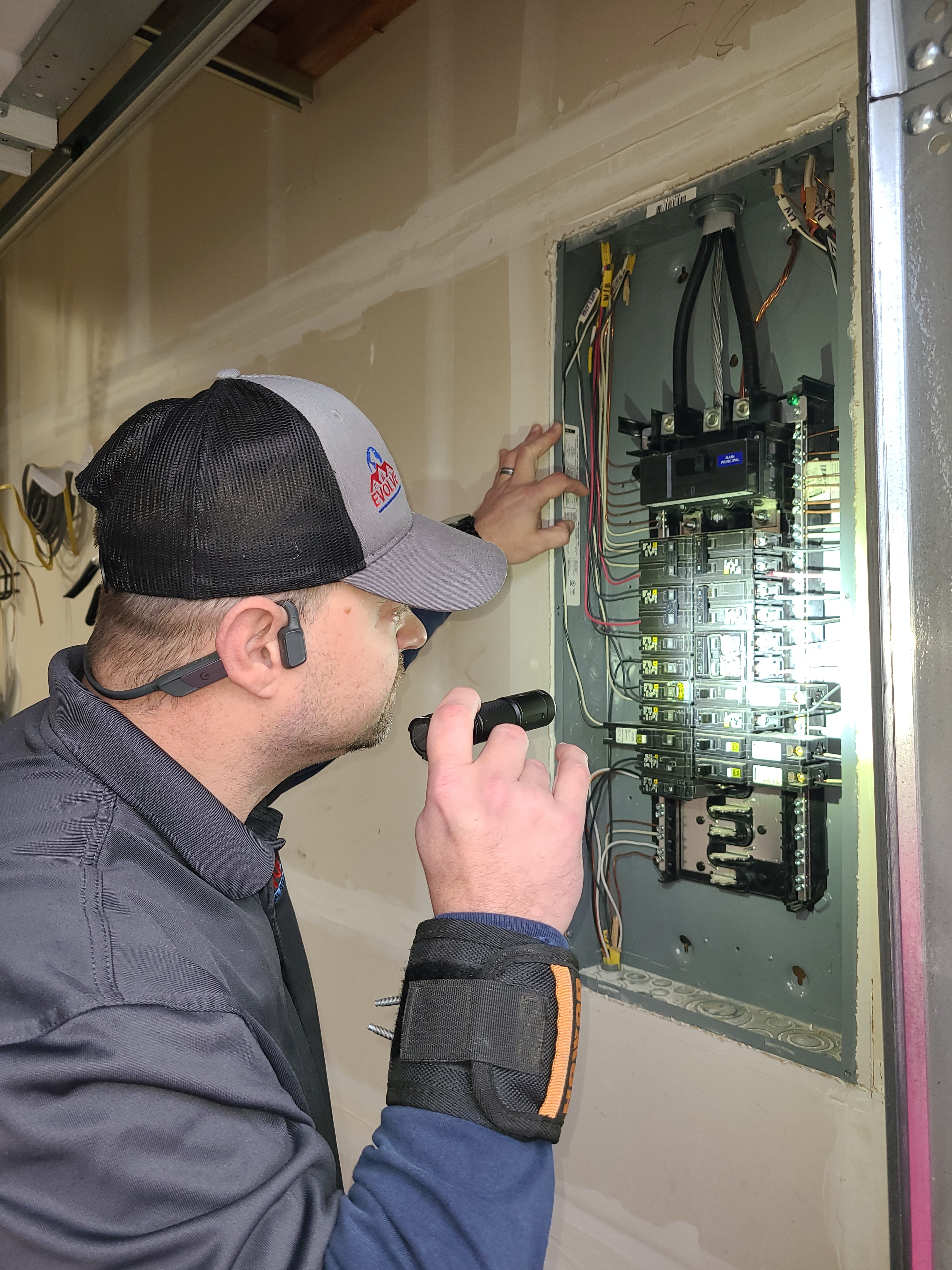
I spent years in the building trades before I became a home inspector. Framing, foundations, roofing, rough plumbing — I worked it all at some point. When I walk into a house now, I'm not just following a checklist. I'm reading the building.
That sounds like a marketing line, but it has practical meaning.
The difference between knowing and recognizing
A trained inspector learns what defects look like from photos and coursework. That knowledge is real and it matters. But a builder recognizes defects from having built things and watched what happens over time when they're done wrong.
When I see a certain crack pattern in a foundation, I know what kind of movement created it. When I see how a roof valley was flashed, I know whether the person who installed it understood water management or was just putting shingles down. These aren't things you learn from a textbook — you learn them by building, by fixing mistakes, and occasionally by being the one who made them.
Crawl spaces tell a story
I love a crawl space. Not because it's pleasant — it's usually not — but because crawl spaces show you exactly how a house was built and what's happened to it since. You can see the framing, the foundation, the subfloor, the moisture conditions, the pest history, and the mechanical systems all in one place.
A lot of what I find in crawl spaces wouldn't be obvious anywhere else in the house. Notched joists that compromise structural integrity. Moisture intrusion that's been slowly rotting the subfloor for years. Pest damage that doesn't show up in the living space yet. These are the finds that matter — the ones that change how a buyer thinks about what they're purchasing.
When something looks right but isn't
Code compliance and quality aren't the same thing. I've inspected homes where everything technically passed inspection at the time it was built, but the workmanship was sloppy in ways that create problems years later. Improper nail patterns. Inadequate blocking. Drainage graded toward the foundation instead of away from it.
None of those things scream at you. You have to know what good construction looks like to spot them.
What this means for your inspection
I walk through every home with you and your agent, and I explain what I'm finding as we go. Not just "there's moisture here" but "here's how water is getting in, here's what it's doing to the structure, and here's what needs to happen to fix it." You deserve to understand the house you're buying, not just receive a list of items.
The report comes after. It's thorough and easy to navigate. But the walk-through is where the real conversation happens.
I've been doing this long enough to know that most inspection findings aren't deal-breakers. They're negotiating points, maintenance items, or things to budget for. My job is to make sure you walk into your purchase with clear eyes — not scared off unnecessarily, but not surprised later either.
If you're buying in the Willamette Valley, I'd be glad to be the one who looks at it with you.
— Get In Touch
Ready to Schedule?
Call or Text
(971) 219-0871
Tap to call
inspectorChrisS@gmail.com
Tap to email
Service Area
Portland Metro
Columbia, Multnomah, Clackamas & Washington Counties
Discount
Military Discount
Active duty, veterans & first responders. Mention when scheduling.